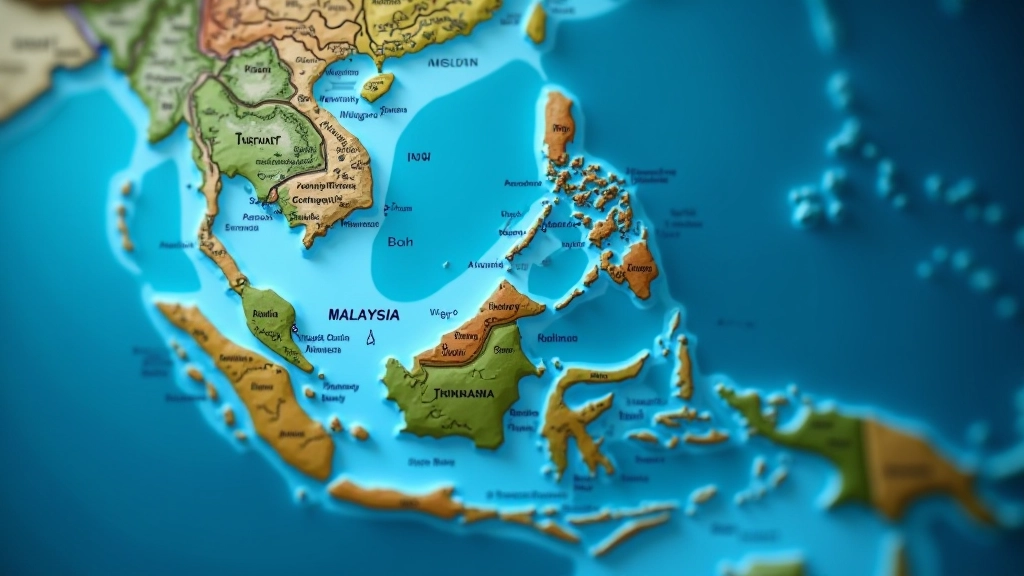
Malaysia’s Trade Balance Trends: Analysis and Outlook
Understanding the dynamics of Malaysia’s import-export landscape and what’s driving shifts in the region’s economic powerhouse
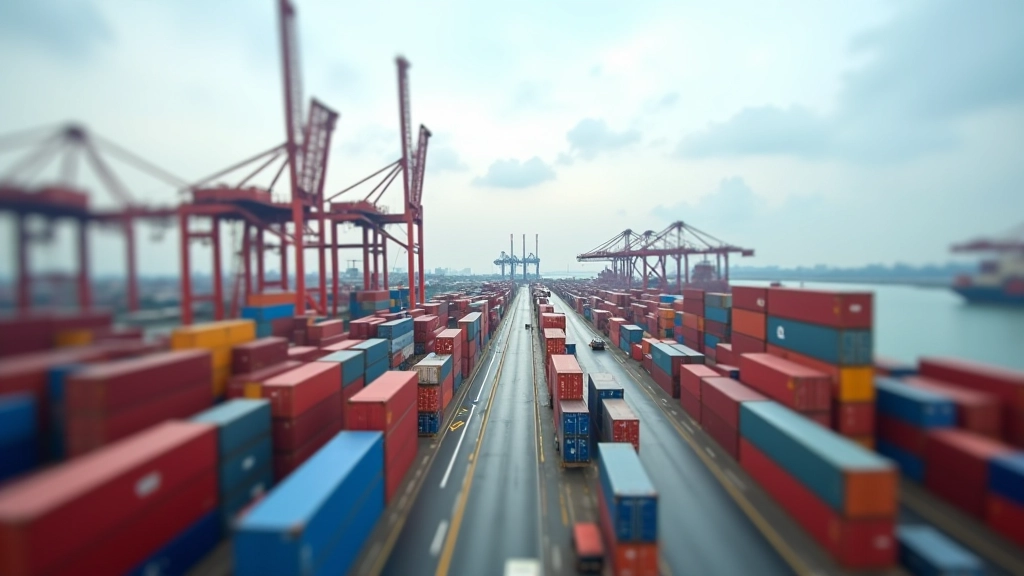
The Trade Story That Matters
Malaysia isn’t just sitting on the sidelines of global commerce—it’s actively reshaping how goods flow across Asia. The country’s trade balance has become a bellwether for regional economic health, reflecting everything from semiconductor demand to palm oil volatility. Over the past decade, Malaysia’s trade surplus has fluctuated between $20-40 billion annually, telling a story of adaptation and strategic positioning in an increasingly competitive marketplace.
What’s driving these shifts? It’s not one factor—it’s a combination. Regional trade agreements like RCEP and CPTPP are opening new corridors. Semiconductor exports are booming as global chip demand remains strong. Meanwhile, traditional sectors like palm oil face both opportunities and headwinds from sustainability concerns and market consolidation.
Key Statistics
Electronics & Semiconductors: The Growth Engine
Here’s the reality: semiconductors aren’t just a product Malaysia exports. They’re the backbone of the country’s entire trade strategy. In 2025, semiconductor-related products accounted for over 35% of Malaysia’s total exports, generating roughly $142 billion in shipments.
The supply chain is sophisticated. Malaysia doesn’t just manufacture chips—it handles design, assembly, testing, and packaging. Companies like Intel, AMD, and Broadcom maintain substantial operations here. But here’s what’s interesting: as global chip demand fluctuates, Malaysia’s trade balance swings with it. When Apple launches new devices, orders spike. When smartphone sales slow, inventory builds and orders drop.
Looking ahead, Malaysia’s position strengthens. Geopolitical tensions pushing supply chain diversification away from Taiwan and China create opportunities. The government’s push toward advanced packaging and system-in-package technologies keeps the sector competitive. Trade agreements like CPTPP provide preferential access to major markets including Japan, Canada, and Australia.

Palm Oil: Navigating Complexity
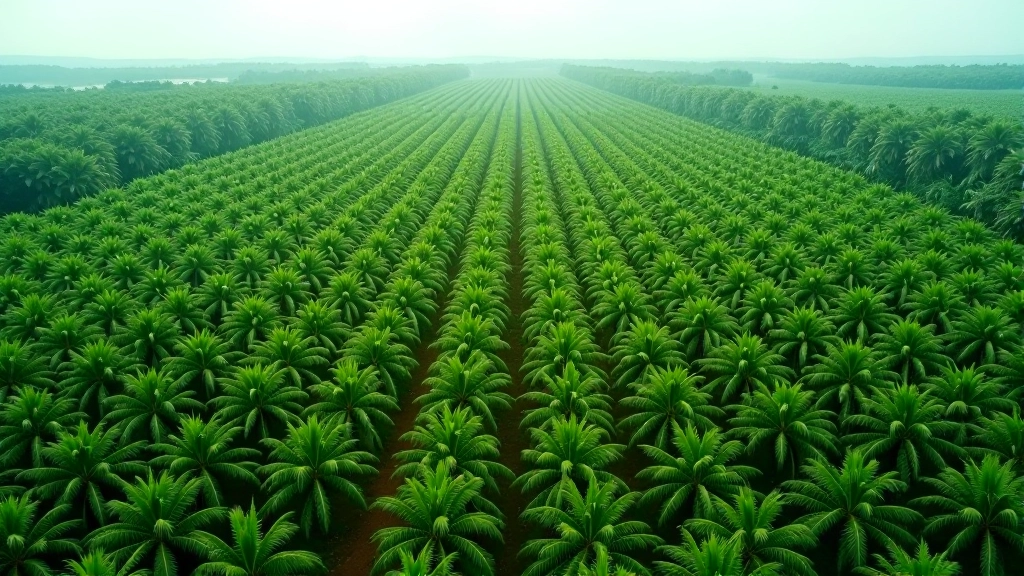
Palm oil is complicated. Malaysia produces about 30% of the world’s palm oil, and it matters—not just for Malaysia’s economy, but for global supply chains. In 2025, palm oil and related products contributed roughly $20 billion to Malaysian exports. That’s significant, but it’s also volatile.
Price swings are real. A bad harvest in Indonesia can spike prices 40-50% in months. European regulations on sustainable sourcing affect demand. Biofuel mandates in the U.S. and India shift volumes unexpectedly. Malaysia’s response? Invest in sustainability certification, adopt traceability systems, and diversify into higher-margin derivatives like specialty fats and oleochemicals.
The trade balance impact? When prices rise, export revenues jump even with stable volumes. When prices fall, Malaysia compensates by increasing production efficiency and exploring value-added products. It’s a balancing act that requires constant adjustment.
Regional Trade Agreements: RCEP and CPTPP
Trade agreements aren’t just about tariffs—they reshape entire supply chains. Malaysia’s participation in both RCEP (Regional Comprehensive Economic Partnership) and CPTPP (Comprehensive and Progressive Agreement for Trans-Pacific Partnership) has fundamentally altered how the country positions itself globally.
RCEP Impact
Signed in 2020 and implemented in 2022, RCEP covers 30% of global GDP. For Malaysia, it’s opened preferential access to 10 ASEAN nations plus China, Japan, South Korea, Australia, and New Zealand. That means tariff reductions on machinery, chemicals, and agricultural products. Malaysia’s trade with RCEP partners has grown 28% since implementation—faster than non-RCEP trading relationships.
CPTPP Benefits
CPTPP membership (joined 2023) provides access to markets like Japan, Canada, and Chile. It’s particularly valuable for manufactured goods and agricultural products. The agreement also includes intellectual property protections, which benefit Malaysia’s growing tech sector. Early data shows electronics exports to CPTPP members increased 15% in the first year.
Supply Chain Repositioning
These agreements incentivize companies to view Malaysia as a hub. Lower tariffs make it economical to consolidate regional operations here rather than spreading across multiple countries. This drives investment in warehousing, logistics, and light manufacturing. The result? More jobs, more exports, and a stronger trade surplus.
What’s Next? The 2026-2030 Outlook
Malaysia’s trade balance isn’t set in stone—it’ll continue evolving based on three major forces. First, geopolitical rebalancing. U.S.-China tensions keep pushing multinational companies to diversify away from single-country dependence. Malaysia benefits because it’s stable, has the infrastructure, and offers lower costs than developed nations. That trend should continue strengthening semiconductor exports through 2028.
Second, technology shifts. Green energy transition means demand for rare earths and battery components will grow. Malaysia’s already investing in downstream processing of these materials. Electric vehicle supply chains? They’re coming. Malaysia can position itself as a regional hub for EV components manufacturing if it moves quickly.
Third, sustainability pressures. They’re not going away—they’re accelerating. Industries that adapt thrive. Industries that resist struggle. Palm oil producers embracing traceability and certification will maintain market access. Those that don’t will face regulatory barriers. Electronics manufacturers investing in circular economy practices will attract ESG-focused customers. It’s not a burden—it’s a competitive advantage.
Base Case Projection: Malaysia’s trade surplus remains stable at $25-30 billion through 2030, with semiconductors growing 6-8% annually and palm oil stabilizing around current levels as sustainability investments pay off.

The Bottom Line
Malaysia’s trade balance isn’t determined by a single factor—it’s the result of semiconductor market dynamics, agricultural commodity pricing, geopolitical positioning, and strategic trade agreements working together. The country isn’t passive. It’s actively shaping its destiny through infrastructure investment, regional partnerships, and sector development.
For investors, policymakers, and business leaders, Malaysia’s trade trends matter. They signal where capital is flowing, which sectors are attracting investment, and how Southeast Asia’s economy is evolving. The country’s position as a trade hub isn’t accidental—it’s the result of deliberate strategy and continuous adaptation to global market conditions.
Important Disclaimer
This article is for informational and educational purposes only. It provides analysis of Malaysia’s trade balance based on publicly available data and economic research. The information presented here is not intended as investment advice, trade recommendations, or professional guidance for business decisions. Trade dynamics, economic conditions, and market circumstances change rapidly. Actual trade performance may differ from projections due to unforeseen geopolitical events, market disruptions, or policy changes. Before making any business or investment decisions based on trade trends, consult with qualified economists, trade specialists, or financial advisors who can assess your specific situation and objectives. The author makes no representations about the accuracy of future projections or the suitability of any information for particular purposes.