
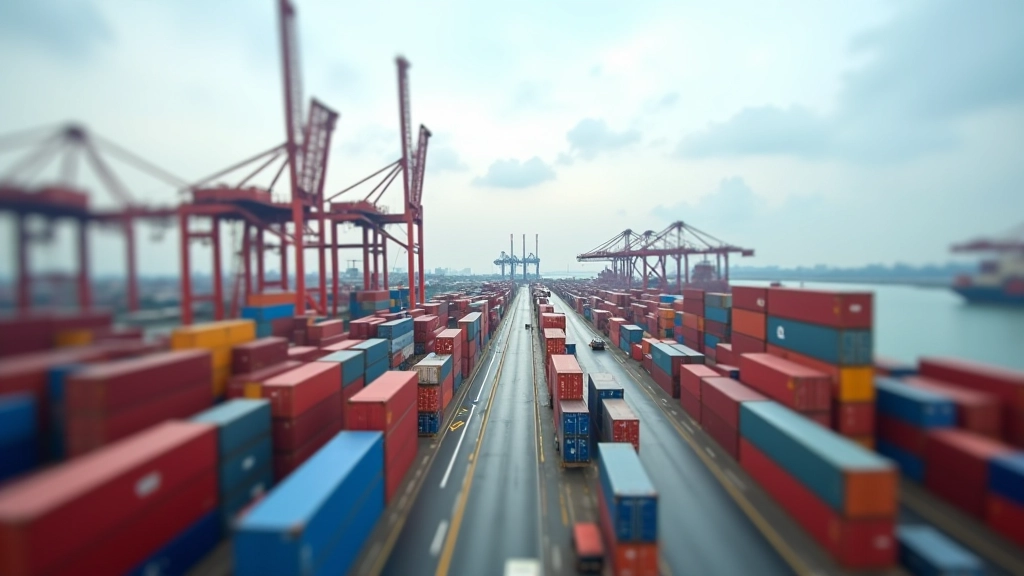
Malaysia’s Trade Balance Trends: Analysis and Outlook
Examines Malaysia’s import-export dynamics, surplus patterns, and factors driving trade balance shifts in regional and global markets.
Read ArticleHow two major trade agreements are transforming market access, competitive positioning, and Malaysia’s role in regional commerce
Malaysia’s export landscape is undergoing significant transformation. The country isn’t just adapting to new trade agreements—it’s actively leveraging them to reshape its competitive position in global markets. Between RCEP (Regional Comprehensive Economic Partnership) membership and CPTPP (Comprehensive and Progressive Agreement for Trans-Pacific Partnership) participation, Malaysian exporters now navigate an intricate web of tariff structures, regulatory frameworks, and market opportunities that barely existed five years ago.
These aren’t minor policy updates. They’re fundamental shifts in how Malaysia conducts trade. Palm oil producers, semiconductor manufacturers, and petrochemical exporters all face new calculations about where to source, how to position products, and which markets offer the best returns. Understanding these dynamics isn’t optional anymore—it’s essential for anyone involved in Malaysia’s export sector.
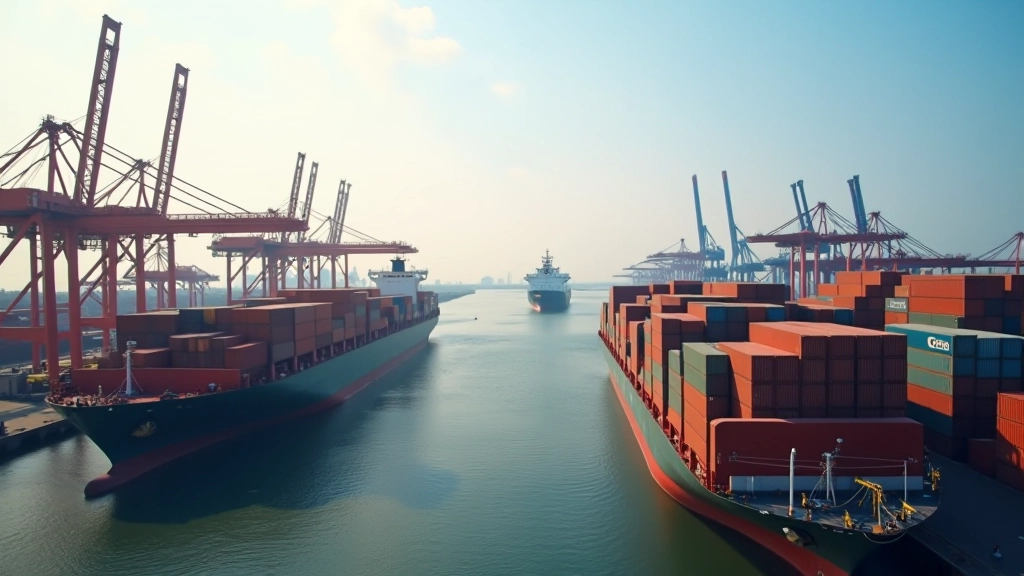
RCEP came into effect on January 1, 2022, and it’s genuinely massive. We’re talking about 10 member nations plus Japan, South Korea, China, Australia, and New Zealand—representing roughly 30% of global GDP. For Malaysia, this agreement simplified trade within the region dramatically. Tariff elimination on over 90% of goods meant Malaysian exporters could access larger markets with fewer barriers than before.
The practical impact? A Malaysian semiconductor component manufacturer can now export to Vietnam with zero tariffs. A palm oil processor can supply Indonesian food companies more competitively. These aren’t abstract benefits—they translate directly into volume increases and margin improvements. RCEP removed roughly 2,000 tariff lines within the first year, affecting everything from machinery to electrical equipment to organic chemicals.
But here’s what makes RCEP interesting strategically: it’s primarily focused on intra-Asian trade. Yes, Australia and New Zealand participate, but the core value comes from deeper integration within East and Southeast Asia itself. This matters because it positions Malaysia as a hub—not just an exporter, but a potential regional distribution center.

CPTPP’s a different beast entirely. While RCEP focuses on Asian integration, CPTPP opens doors to developed markets—primarily the United States after 2025 expectations, plus Canada, Australia, and Japan. Malaysia signed on in 2023, and it’s already shifting how exporters think about their supply chains and product positioning.
The standards are stricter. Labor conditions, environmental regulations, intellectual property protections—CPTPP demands compliance at levels that RCEP doesn’t necessarily require. For Malaysian manufacturers, this means investment in compliance infrastructure, but it also means access to wealthier consumer markets with higher purchasing power. A company that can meet CPTPP standards doesn’t just gain tariff advantages—it gains credibility in markets where consumers care about supply chain ethics and environmental impact.
Here’s the strategic tension: RCEP gives volume. CPTPP gives margins and market prestige. Companies aren’t choosing between them—they’re learning to use both simultaneously. A palm oil producer might sell commodity volumes to RCEP members while simultaneously marketing sustainably-certified products to CPTPP markets at premium pricing.
Two agreements, three major industries, completely different strategic calculations
RCEP eliminated tariffs on palm oil exports to China, Vietnam, and Indonesia—markets representing roughly 40% of Malaysia’s palm oil trade. Volume increased, but margins compressed. CPTPP adds access to premium markets in Canada and Australia where sustainably-sourced palm oil commands price premiums of 8-15%. The result? Producers increasingly segment operations between volume plays and premium positioning.
Malaysia exports roughly $60 billion in semiconductors annually. RCEP tariff elimination on semiconductor components created regional supply chain efficiencies—manufacturers can now source from multiple RCEP nations without penalty. CPTPP adds access to advanced-market procurement standards, crucial for companies supplying U.S. and Canadian tech companies concerned about supply chain resilience.
Chemical exports benefit from both agreements. RCEP simplifies trade with major regional consumers in China and Southeast Asia. CPTPP opens doors to regulated markets where Malaysian petrochemical companies can compete on quality and compliance rather than price alone. Integration costs are higher, but customer retention improves significantly.
The agreements aren’t automatic advantages—they require active strategy. We’re seeing three distinct positioning approaches among Malaysian exporters. First, the volume players—companies optimizing for RCEP tariff elimination and aiming to become the lowest-cost suppliers within the region. Second, the premium positioners—using CPTPP compliance as a differentiator in wealthier markets. Third, the hybrid strategists—operating in both spaces simultaneously with different product lines or market segments.
This split isn’t theoretical. A semiconductor manufacturer we’d track might produce standard components for RCEP markets while simultaneously developing advanced products meeting CPTPP standards for North American buyers. It’s not one strategy—it’s portfolio management.

Tariff elimination sounds straightforward, but implementation reveals complexities. Rules of origin requirements are strict—products must meet specific regional content thresholds to qualify for RCEP or CPTPP benefits. A processor that sources ingredients from non-member nations might lose preferential treatment. Documentation requirements are substantial. Every export needs certificates of origin, compliance documentation, and increasingly, supply chain transparency records.
Regulatory harmonization sounds good until you’re actually trying to comply. CPTPP standards for labor practices, environmental protection, and data security are significantly stricter than what many Malaysian companies currently operate under. Upgrading facilities, retraining staff, and implementing new systems isn’t cheap. Small and medium exporters sometimes find the compliance costs outweigh the tariff savings.
Competition intensified. Yes, tariffs dropped, but so did barriers to entry. A Thai company or Vietnamese manufacturer can now compete in markets that were previously protected. Malaysia’s advantage isn’t geography anymore—it’s execution, quality, and compliance capabilities. That’s harder to sustain than tariff walls.

RCEP and CPTPP aren’t destination agreements—they’re tools. Malaysia’s competitive position depends entirely on how effectively companies use them. The country has genuine advantages: established manufacturing infrastructure, skilled labor, regional geography, and now, membership in both agreements. But advantages require strategy to convert into results.
Companies that’re already repositioning—diversifying supply sources across RCEP nations, investing in CPTPP compliance, developing dual product strategies—they’re the ones that’ll see real benefit. The others? They’ll experience tariff elimination as margin compression. That’s the difference between passive participation and active strategy.
The trade agreements are written. The rules exist. The markets are open. What happens next depends on execution—and that’s entirely within Malaysia’s control.


This article provides informational analysis of RCEP and CPTPP trade agreements and their impact on Malaysia’s export sector. The information presented is based on publicly available trade data, government policy documents, and economic analysis as of March 2026. It’s not investment advice, business strategy guidance, or official government policy interpretation. Trade policy, tariff structures, and regulatory requirements evolve continuously. Companies considering trade strategy decisions should consult with trade compliance specialists, customs brokers, and legal advisors familiar with current regulations in their specific industries and target markets. Market conditions, competitive dynamics, and policy changes can significantly affect the outcomes described in this analysis.