
Palm Oil Exports: Market Dynamics and Sustainability Challenges
Understanding Malaysia’s palm oil sector, export volumes, price volatility, and the growing tension between market demand and environmental responsibility.
Why Palm Oil Matters in Global Trade
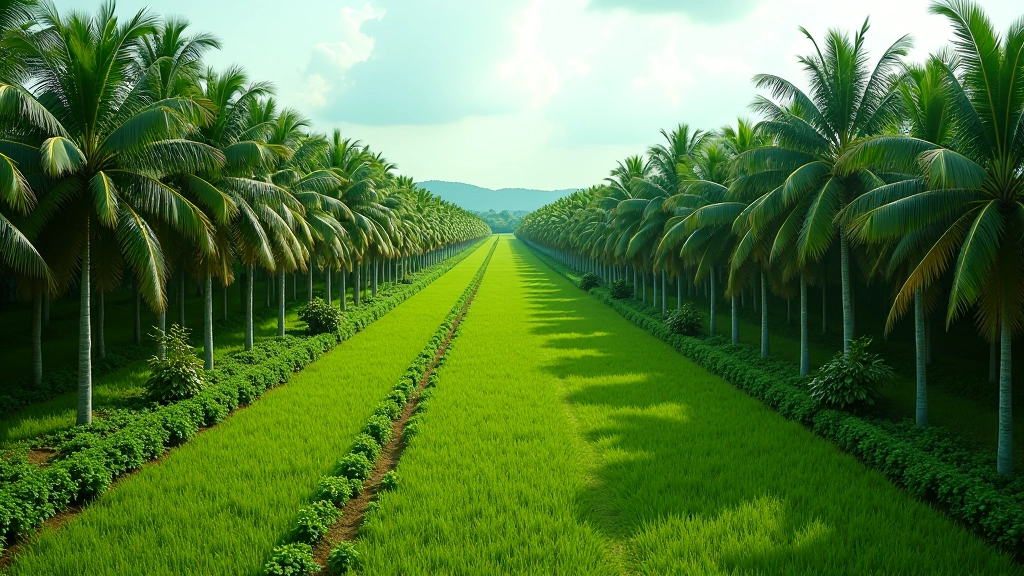
Malaysia’s palm oil industry doesn’t just produce a commodity—it’s a fundamental part of how the global economy moves. We’re talking about the ingredient in everything from cosmetics to cooking oil to industrial applications. In 2025, Malaysia exported roughly 18 million tonnes annually, making it one of the world’s largest suppliers. But here’s where things get complicated.
The sector generates significant revenue and employment across rural Malaysia. Thousands of smallholder farmers depend on it. Yet sustainability concerns have put increasing pressure on exporters. Environmental groups, importing nations, and even major buyers now demand proof that production isn’t destroying rainforests. It’s created a market split—premium sustainable palm versus cheaper conventional production. Both exist. Both have buyers. Understanding this tension is essential to grasping modern palm oil trade.

Export Volumes and Market Share
Malaysia doesn’t dominate the palm oil market by accident. The country controls roughly 27-30% of global palm oil exports. Indonesia leads with about 55-60%, but Malaysia’s share remains substantial and strategically important. These aren’t small numbers—we’re discussing tens of millions of tonnes moving through international ports annually.
Export volumes fluctuate based on several factors. Weather patterns affect yield. When El Niño hits Southeast Asia, drought reduces production. Global prices influence how much farmers harvest—low prices discourage intensive harvesting. Currency exchange rates matter too. A stronger ringgit makes Malaysian palm oil more expensive for foreign buyers, which can reduce export volume even if production capacity remains unchanged.
The main export destinations haven’t shifted dramatically over the past decade. India, China, and the European Union remain the largest importers. India uses palm oil in food production and cooking. China needs it for both food and industrial applications. The EU has been more cautious in recent years due to sustainability regulations, but it’s still a major buyer—though increasingly for sustainable-certified supplies.


Price Volatility and Market Dynamics
Palm oil prices swing wildly. That’s just the reality of the commodity market. In 2022, prices hit records above $2,000 per tonne due to supply constraints and geopolitical disruptions. By 2024, they’d dropped significantly. These aren’t gradual shifts—they’re sharp movements that reshape the entire industry within months.
What drives these swings? Global supply matters most. Any disruption to Indonesian or Malaysian production ripples through prices immediately. Weather events, pest outbreaks, or production delays create scarcity. On the demand side, energy prices influence everything. When crude oil costs rise, palm oil becomes a more attractive biofuel feedstock, pushing prices up. When energy prices crash, that demand evaporates.
Currency movements and geopolitical events also play roles. Trade tensions between major importing and exporting nations can disrupt flows. Tariff changes alter competitiveness. Sustainability certifications command premium prices—RSPO-certified palm oil often sells 10-20% higher than conventional supplies. But certification costs money and requires infrastructure, which smaller producers can’t always afford.
The Sustainability Challenge
Here’s the uncomfortable truth: palm oil and deforestation have become linked in the public mind, whether entirely fair or not. Historically, expanding palm plantations in Southeast Asia did drive forest clearing. That’s documented. But the industry isn’t static—it’s evolving, though not fast enough for critics.
Malaysia’s response has included certification schemes like the Roundtable on Sustainable Palm Oil (RSPO). Companies now commit to no deforestation policies. Smallholder farmers are getting training in sustainable practices. But enforcement is difficult, transparency remains imperfect, and the transition costs money that producers would rather avoid. Sustainable palm requires more investment per hectare than conventional production.
The EU’s approach has been particularly strict. Regulations increasingly demand proof of sustainable sourcing. Some retailers have started phasing out palm oil entirely—though this often just shifts production to less regulated regions. The paradox: banning palm oil imports doesn’t necessarily help the environment if it’s replaced by less efficient crops like soy, which require more land for equivalent output.
Key Challenge: Balancing the economic needs of producers and farming communities with genuine environmental protection remains the industry’s defining tension.

Malaysia’s Market Position Strategy
Malaysia can’t compete on price alone anymore. Indonesia will always have more land and lower labor costs. So Malaysia’s strategy has shifted toward value-added products and sustainability positioning. Processing palm oil into specialty products—biodiesel, pharmaceutical-grade oils, cosmetic ingredients—generates higher margins than raw crude palm oil exports.
Investment in R&D has increased. Universities and research institutes develop new applications. Oleochemical production—converting palm oil into chemicals for industrial use—is growing. This moves the industry beyond simple commodity exports into higher-value manufacturing. It also creates jobs beyond just farming and basic processing.
Regional trade agreements matter too. RCEP membership gives Malaysian exporters preferential access to ASEAN and key trading partners like China and Japan. CPTPP participation—though less comprehensive than initially hoped—provides some market access benefits. These frameworks help Malaysia compete even as individual trade partners become more selective about sourcing.

The Road Ahead
Malaysia’s palm oil sector sits at a crossroads. Global demand remains strong—the commodity has proven impossible to replace entirely. But the terms of that demand are changing. Buyers increasingly want sustainability assurance. Price volatility will persist as long as palm oil remains tied to energy markets and weather patterns.
The industry’s future likely involves a permanent split market. Premium sustainable supplies for customers willing to pay more. Conventional supplies for cost-sensitive buyers. This creates opportunities for producers who can invest in certification and efficiency improvements. It also creates challenges for smaller operators who can’t afford the transition costs.
What’s clear is that the days of treating palm oil as a simple commodity are over. Technology, policy, and market pressure have made it a complex strategic asset. Malaysia’s success will depend on navigating these complexities—maintaining volume while building reputation for responsible production, competing globally while respecting regional partnerships, and supporting farming communities while meeting environmental expectations.
Want to explore how these export dynamics connect to Malaysia’s broader trade strategy?
Explore Malaysia’s Trade & Export HubRelated Articles
Malaysia’s Trade Balance Trends: Analysis and Outlook
Examines Malaysia’s import-export dynamics, surplus patterns, and factors driving trade balance shifts.

Semiconductor Export Performance: Malaysia’s Global Position
Tracks Malaysia’s semiconductor export growth, supply chain positioning, and competitive advantages.
RCEP and CPTPP: Regional Trade Partnerships Reshaping Malaysia’s Export Strategy
Explores how RCEP membership and CPTPP participation transform Malaysia’s market access and export opportunities.
Important Disclaimer
This article provides educational information about Malaysia’s palm oil export sector, market dynamics, and sustainability considerations. It’s intended to help readers understand the complexities of this industry, not to provide investment advice, policy recommendations, or commercial guidance. Market conditions, trade regulations, and sustainability standards evolve continuously. If you’re making business decisions related to palm oil sourcing or trading, consult with industry specialists, trade experts, and legal advisors who can assess your specific situation. The data and examples referenced represent general trends and may not reflect real-time market conditions.