Malaysia’s Trade Balance Trends: Analysis and Outlook
Examines Malaysia’s import-export dynamics, surplus patterns, and factors driving trade performance across all sectors.
Read MoreUnderstanding Malaysia’s role in the global electronics supply chain, from manufacturing dominance to strategic partnerships shaping the industry’s future.

Malaysia isn’t just a player in the semiconductor industry—it’s one of the critical backbone economies that powers the world’s electronics. Since the 1970s, the country transformed from a commodities exporter into a hub for semiconductor manufacturing and assembly. Today, semiconductors represent a cornerstone of Malaysia’s export portfolio, competing alongside palm oil in terms of strategic importance to the national economy.
What makes Malaysia’s position unique is how it’s positioned itself in the value chain. Rather than trying to compete in cutting-edge chip design—where countries like Taiwan and South Korea dominate—Malaysia’s strength lies in manufacturing, assembly, and packaging. This focus has created a resilient, specialized economy that’s weathered multiple global crises.

The numbers tell a compelling story about Malaysia’s semiconductor dominance in the region.
Malaysia exported over $30 billion in semiconductor products annually as of 2024, making it one of Asia’s largest semiconductor exporters.
Accounting for roughly 15% of global semiconductor assembly and testing, Malaysia’s influence extends across consumer electronics, automotive, and industrial applications.
Penang, Selangor, and Johor host the largest concentrations of semiconductor fabrication and assembly plants, employing over 130,000 workers.
Malaysia competes directly with Thailand, Vietnam, and the Philippines in the Southeast Asian semiconductor landscape. However, Malaysia’s advantage isn’t in cost alone—it’s in experience and infrastructure. The country’s semiconductor ecosystem has been building since the 1980s, creating deep supply chain relationships and technical expertise that aren’t easily replicated.
What’s particularly interesting is how Malaysia’s positioned itself. While Taiwan dominates advanced chip design and South Korea leads in memory chips, Malaysia captured the profitable middle ground: assembly, testing, and packaging of finished semiconductors. It’s not the flashiest segment, but it’s where consistent, reliable export revenue comes from.
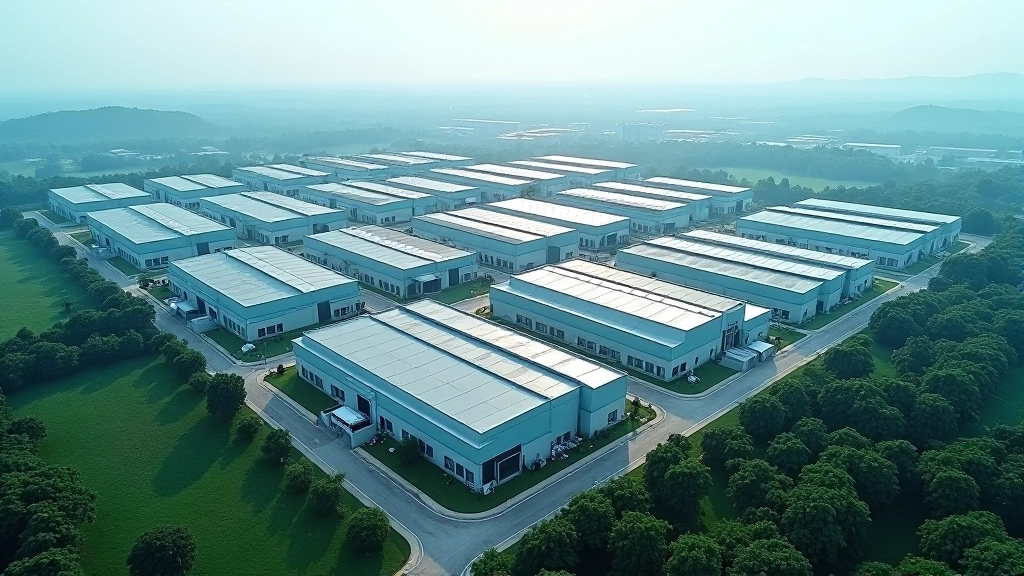
Malaysia imports silicon wafers and semiconductor materials primarily from Japan, Taiwan, and South Korea. These materials then flow through local fabrication and assembly operations. The supply chain’s efficiency depends on maintaining strong trade relationships with these upstream suppliers.
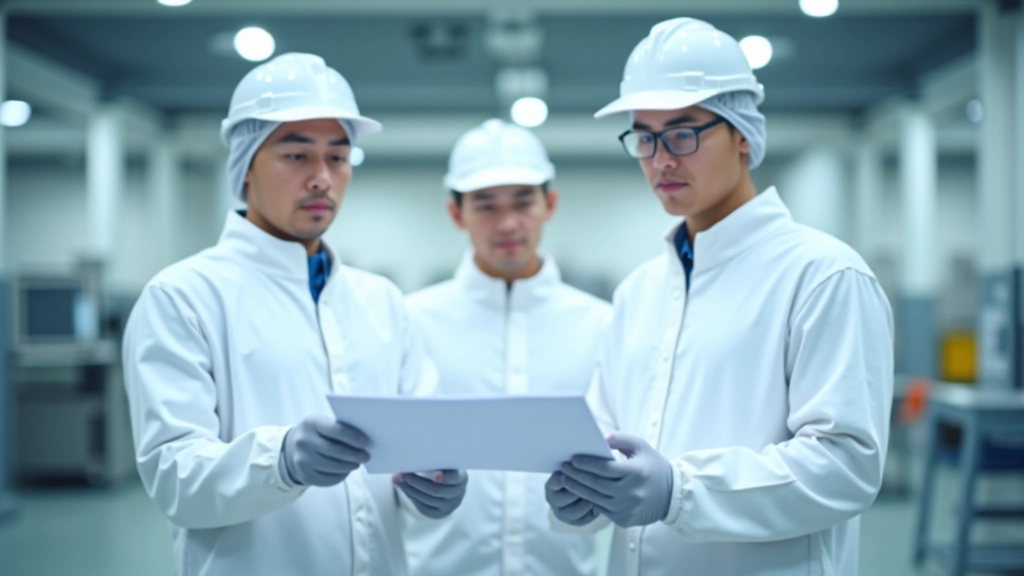
This is where Malaysia truly excels. Advanced assembly plants in Penang and Selangor perform wafer-level packaging, die attachment, wire bonding, and comprehensive testing. These aren’t simple processes—they require precision equipment and skilled technicians. Malaysia’s advantage is having the infrastructure, workforce expertise, and quality standards that global brands trust.
Before semiconductors leave Malaysia, they undergo rigorous testing for reliability and performance. This quality-assurance step is crucial—customers expect zero defects. Malaysia’s manufacturing facilities hold international certifications (ISO standards, automotive-grade ratings) that command premium pricing and customer loyalty.
Finished semiconductors ship to electronics manufacturers worldwide. Malaysia’s ports in Port Klang and Johor Bahru provide direct access to major shipping routes. About 40% of exports go to China, 20% to the United States, and 15% to Europe, with the remainder distributed across ASEAN and other markets.
Malaysia’s geographic position in Southeast Asia provides logistics advantages. It’s centrally positioned relative to major component suppliers in Taiwan and Korea, while being close enough to growing demand centers in Vietnam and Indonesia. This location advantage isn’t trivial—faster shipping reduces inventory costs and allows for more responsive supply chains.
Trade agreements are fundamentally changing how Malaysian semiconductors reach global markets.
Malaysia joined the Regional Comprehensive Economic Partnership (RCEP) in 2022, creating a massive integrated market spanning 10 ASEAN countries plus China, Japan, South Korea, Australia, and New Zealand. For semiconductors, this means reduced tariffs on components moving within the region. A Malaysian assembly plant can now source materials from Vietnam more cheaply, and export finished products to China with lower duties. That cost savings translates into competitive pricing that attracts more contracts from multinational electronics manufacturers.
The real benefit? It’s the supply chain flexibility RCEP enables. Previously, companies had to optimize for specific bilateral trade agreements. Now they can route materials and finished goods through the most efficient pathways across the entire RCEP zone. Malaysia, being centrally positioned with strong manufacturing infrastructure, becomes an even more attractive hub for regional semiconductor operations.
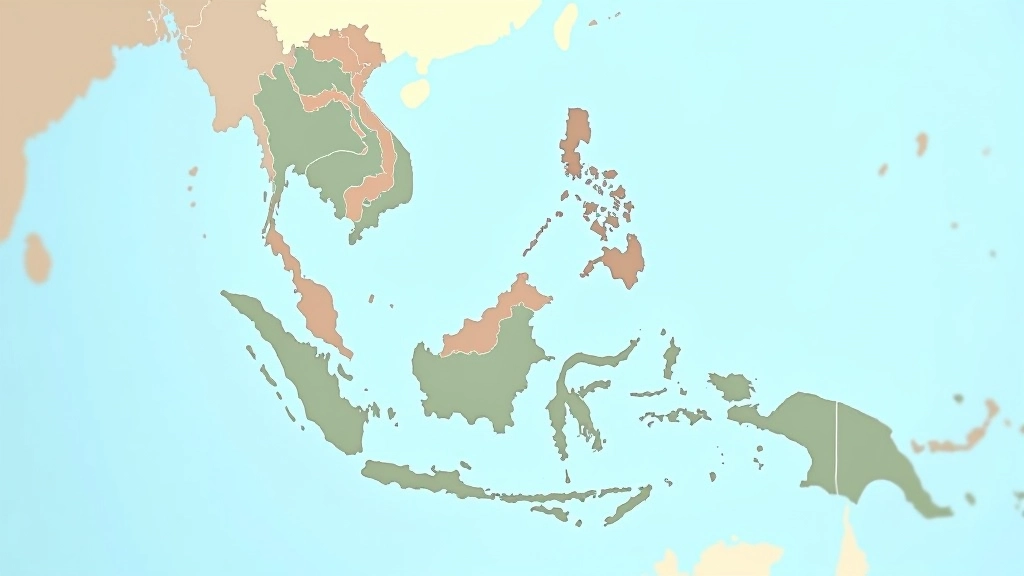
Malaysia applied to join the Comprehensive and Progressive Agreement for Trans-Pacific Partnership (CPTPP) and is in active negotiations. This agreement would open doors to premium markets like Canada, Japan, and Australia. For semiconductors, CPTPP membership means preferential access to developed markets that pay higher prices for quality-assured products. It’s a different market dynamic than RCEP—less about cost competition, more about premium positioning and technical standards compliance.

The 2020-2023 global chip shortage taught the industry painful lessons about concentrated supply chains. Malaysia’s strength is also its constraint—heavy reliance on materials from Taiwan and Korea means geopolitical risks directly impact production. The industry is gradually diversifying suppliers, but it’s a slow process.
Both countries are investing heavily in semiconductor manufacturing. Vietnam’s labor costs are lower, and Thailand is building new fabrication capacity. Malaysia must compete on expertise and infrastructure quality rather than price alone. This pushes investments toward advanced packaging technologies and higher-value assembly processes.
As chips become smaller and more complex, assembly and testing requirements become more demanding. Malaysia’s manufacturers are investing in advanced packaging techniques like chiplet technology and 3D integration. These require continuous capital investment and workforce training—but they’re essential to maintain competitive advantage.
Environmental regulations are tightening globally. Semiconductor manufacturing is energy-intensive and generates hazardous waste. Malaysian plants are adopting cleaner processes and renewable energy, but compliance costs are rising. This investment strengthens the brand positioning in environmentally-conscious markets like Europe, but it’s a significant expense.
Malaysia’s semiconductor export performance over the next 5 years will depend on three factors: maintaining technological competitiveness in advanced assembly, leveraging RCEP and potential CPTPP membership for market access, and successfully attracting next-generation fabrication plants. The government’s Digital Economy Framework and semiconductor industry roadmap suggest these investments are priorities. Export growth of 4-6% annually is realistic if geopolitical conditions remain stable and major manufacturers continue expanding regional operations.
This article presents informational analysis of Malaysia’s semiconductor export sector based on publicly available data and industry reports. Trade statistics, market shares, and export values are approximations derived from sources like UN Comtrade, national trade ministries, and industry analyses as of March 2026. Trade agreements, tariff rates, and regulatory environments are subject to change. This content is educational in nature and shouldn’t be considered investment advice or official trade guidance. For specific business decisions regarding semiconductor trade or investments, consult with trade specialists, customs brokers, or official government trade resources.